SEC Ruling Issued Against BitClave ICO

Unregistered $25.5-million ICO issuer ordered to return money to investors
What Happened?
May 28, 2020: The Securities and Exchange Commission (SEC) found BitClave PTE Ltd. of San Jose, California conducted an unregistered Initial Coin Offering (ICO) between June and November 2017.
Source: https://www.sec.gov/news/press-release/2020-124
Who Is Impacted?
The 9,500+ investors who invested USD $25.5 million into BitClave’s Consumer Activity Token (CAT).
Why This Matters?
Because it was never registered as a security, the public sale of the CAT token violated the registration provisions of federal securities laws in the United States.
In the US, securities issuers must follow registration requirements, or use a registration exemption such as Reg D or Reg CF. Token issuers that use US exemptions must follow specific restrictions and thresholds – for both the primary sale and the secondary market of any security they issue. BitClave has been ordered by the SEC to return all the funds they acquired through this token sale.
What’s Next?
Without admitting or denying the SEC’s findings, BitClave has agreed to pay a total disgorgement of USD $25,500,000, a prejudgment interest of USD $3,444,197, and a penalty of USD $400,000. The SEC’s order also establishes a Fair Fund to return monies paid by BitClave to the 9,500+ injured investors.
Finally, BitClave has also agreed to transfer all of the remaining CAT in its possession to the fund administrator for permanent disabling, publish a notice of the SEC’s order through their site, and request the removal of CAT from all virtual asset trading platforms currently listed for sale or trade.
learn more
Is your AML compliance too expensive, time-consuming, or ineffective?
iComply enables financial services providers to reduce costs, risk, and complexity and improve staff capacity, effectiveness, and customer experience.
Request a demo today.

KYB and UBO Checks for Commercial Lenders: New Compliance Expectations in the U.S.
With new KYB and UBO verification mandates in force, U.S. commercial lenders must modernize due diligence. This guide shows how to meet regulatory standards and improve operational efficiency.

Modern CIP for Law Firms: How Canadian Regulations Are Reshaping Legal KYC
Canadian legal professionals face growing KYC obligations. This guide explains how law firms can implement privacy-first CIP workflows that meet FINTRAC and provincial regulations with confidence.
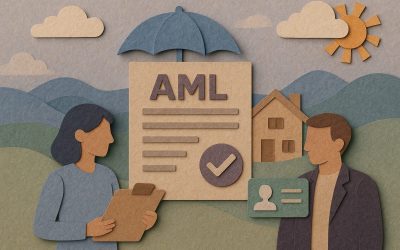
AML Compliance in Australian Insurance: Streamlining Policyholder and Broker Checks
As AUSTRAC tightens oversight, Australian insurers must modernize AML practices. This guide shows how to automate risk checks, verify identities, and manage broker-led onboarding using iComply.