SEC Emergency Action Stops Virtual Asset Scam

U.S. Securities and Exchange Commission (SEC) freezes Meta 1 Coin Trust’s assets, charges former state senator and associates
What Happened?
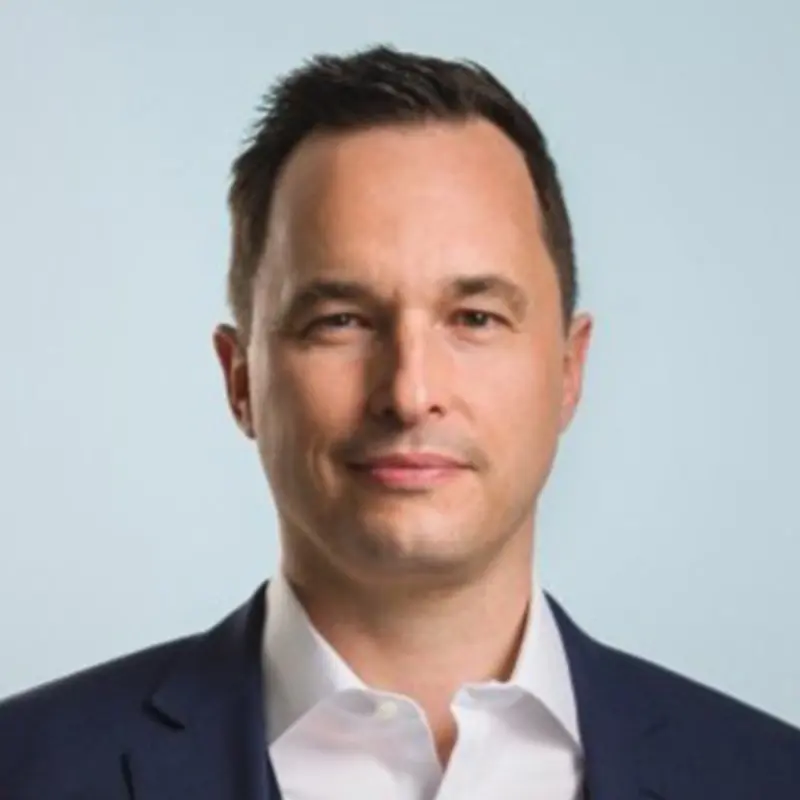
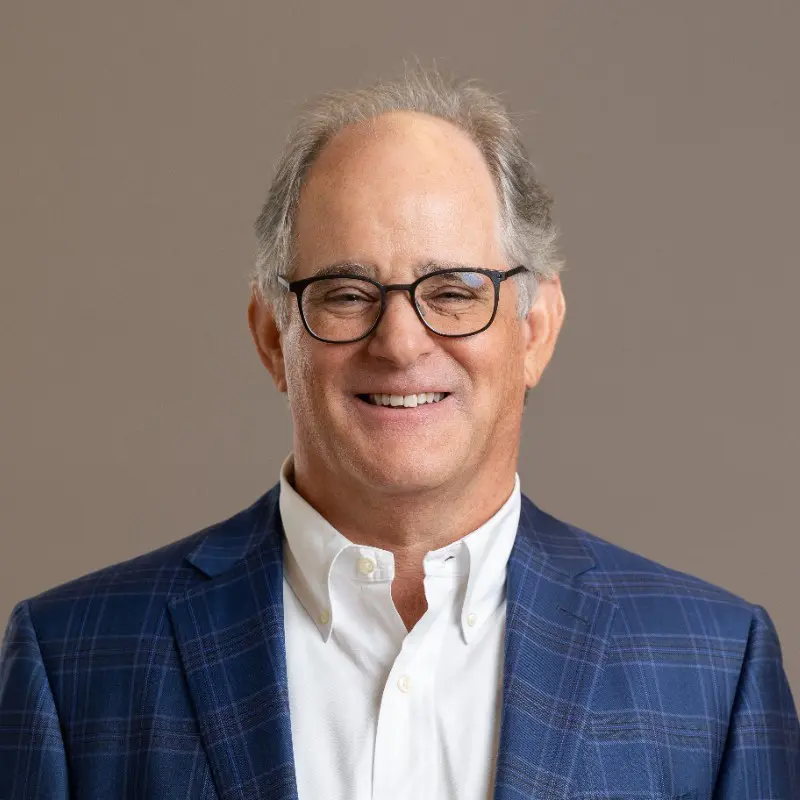
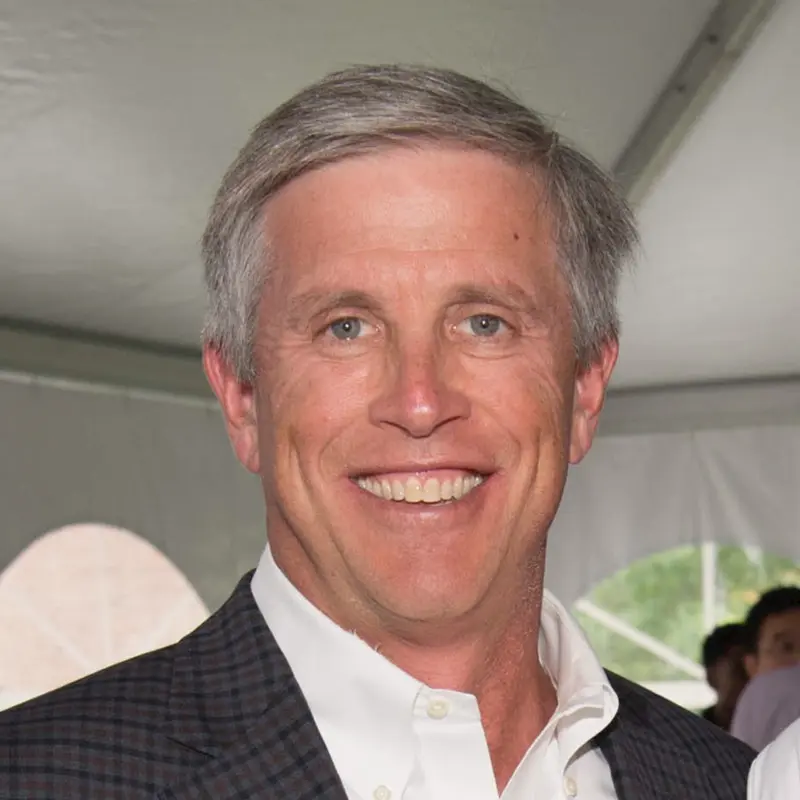
March 16th, 2020: the SEC (United States Securities and Exchange Commission) obtained an emergency order to freeze the assets of Meta 1 Coin Trust, an unregistered securities offering that was marketed and sold by former Washington State Senator David Schmidt and his associates, Robert Dunlap and Nicole Bowdler of Florida.
These three are being charged with making false and misleading statements to investors, and for misappropriating the funds raised for their own personal expenses and luxury automobile purchases.
Source: https://www.occ.gov/static/enforcement-actions/ea2020-005.pdf
Who Is Impacted?
Any VASP – banks, crypto-exchanges, OTC desks, fintechs, etc. – dealing with virtual assets and serving U.S. customers.
Why This Matters?
The action taken against M.Y. Safra Bank is a strong indication that bank regulators such as the OCC, Federal Reserve Bank, and the FDIC (Federal Deposit Insurance Corporation) have already gathered enough information on VASPs to begin a campaign of targeted enforcement.
It also demonstrates that these regulators expect VASPs to have the capacity to identify and properly assess the risk of the clients and transactions they are serving. The regulator gives clear direction that the AML obligations of traditional finance apply to any virtual asset transaction.
What’s Next?
The MYSB board of directors has 60 days to respond with a comprehensive compliance program that is able to stand up to stress testing from an independent third party.
VASPs serving US users, clients, or investors should be able to clearly demonstrate that their KYC, risk screening, blockchain forensics, and transaction monitoring tools are integrated into an effective AML program – backed by comprehensive, written policies and procedures manuals, and audited by an independent expert.
Furthermore, compliance teams should review their AML providers to ensure they are not just paying for a KYC onboarding tool or identity verification APIs.
Ongoing monitoring programs are required – existing users should be screened regularly for AML risk such as whether they have appeared on global sanctions, watchlists, or adverse media risks, and whether they represent political exposure.
For iComply clients, our ongoing monitoring feature will perform these tasks on a daily basis and only provide alerts if a new risk is identified. Speak with your account manager for more information.
learn more
Is your AML compliance too expensive, time-consuming, or ineffective?
iComply enables financial services providers to reduce costs, risk, and complexity and improve staff capacity, effectiveness, and customer experience.
Request a demo today.

iComply “Most Forward-Thinking Work Being Done” Related to Blockchain Settlement
Chicago, Il. — FIA announced that iComply Investor Services Inc. (“iComply”) is one of 15 companies chosen to exhibit in the Innovators Pavilion at the 34th Annual FIA Expo in Chicago October 16 – 18. Innovators Pavilion showcases startup companies providing...

Eliminating Security Vulnerabilities in Virtual Markets and Decentralized Exchanges
Following the release of the New York Attorney General’s report on Virtual Markets, iCompy and Hosho will co-present a blockchain security and auditing MasterClass for exchanges, protocols, and ICOs on October 4 as an online teaser leading up to HoshoCon Las Vegas,...

iComply MasterClass: Smart Contract Auditing Expert Panel
In this upcoming MasterClass, iComply hosts Hosho’s CTO Alex Blair as he joins iComply's CTO Matt Masiar, to speak on the importance of smart contract auditing, especially for financial applications of smart contracts. In 2017, a total of $400 million that was raised...