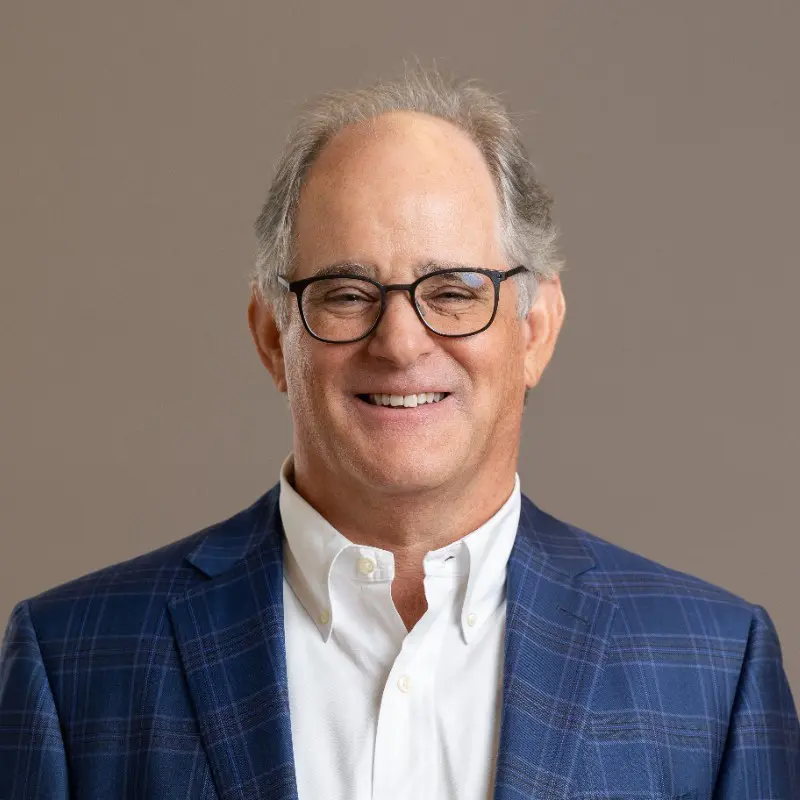
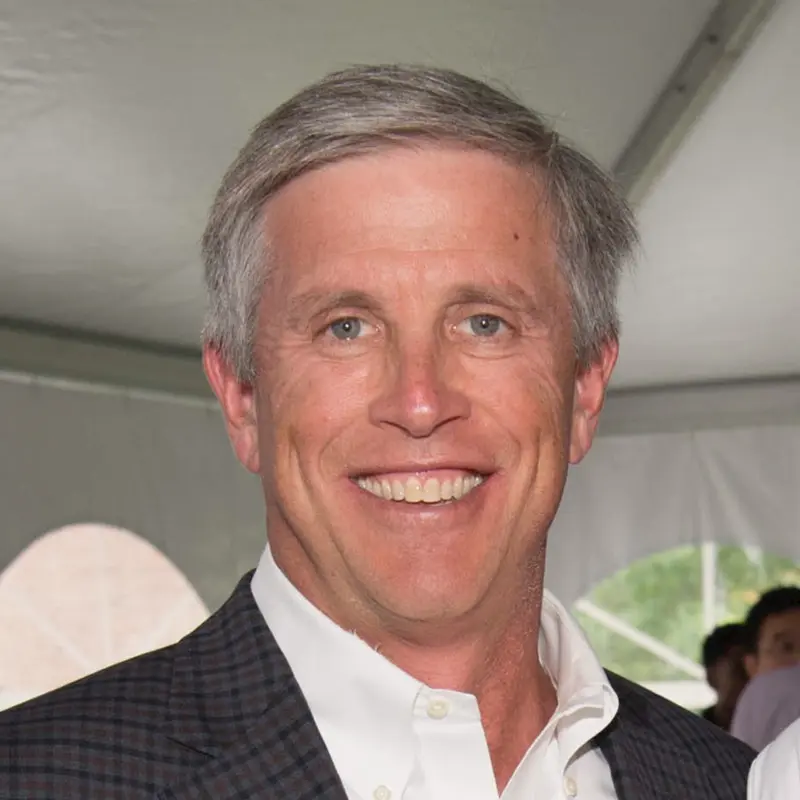
US SEC Charges Dropil and team for Fraudulent and Unregistered ICO

U.S. Securities and Exchange Commission (SEC) charges founders and issuer of Dropil, Inc. with securities fraud
What Happened?
April 24, 2020: Between January and March 2018, Jeremy McAlpine, Zachary Matar, and Patrick O’Hara of Dropil, Inc. marketed the DROP token offering online to investors around the world.
In promoting the offering, Dropil promised to pool the capital raised for building and investing with their algorithm-based “Dex Bot”. Dropil promised investors the “Dex Bot” would provide returns from this activity in the form of DROP Tokens deposited into their wallets every 15 days. However, Dropil never made any deposits to investors’ wallets, nor performed any development of the aforementioned “Dex Bot”.
The U.S. SEC (United States Securities and Exchange Commission) also found that Dropil claimed to have raised a total of USD $54 million from 34,000 investors–despite only raising $1.8 million from no more than 2,500 investors. In addition to this falsified evidence and testimony, the founders of Dropil were found to have used the money raised to fund other projects, as well as their own personal bank accounts.
Source: https://www.sec.gov/litigation/litreleases/2020/lr24804.htm
Who Is Impacted?
Any issuer of a virtual asset who has failed to properly register their offering as a security, or has chosen to market it with false and misleading statements, or promises of potential returns.
Why This Matters?
2,500 investors lost $1.8 million in this scheme. The action taken by the SEC is evidence that they have both the authority and technical ability to monitor, investigate, and take action against the bad actors operating illegally in the digital capital markets, without prejudice.
What’s Next?
Issuers of “utility tokens”, security tokens, cryptocurrencies, etc., who used their virtual asset to either raise capital, secure investment, or generate pre-sales will continue to fall under scrutiny.
- Was the offering registered with the proper authority?
- Was the opportunity marketed in a lawful manner and with integrity?
- Are the funds that were raised being used in the manner that they were presented to potential purchasers?
Such firms should seek independent legal advice to consider whether they may be exposed to this type of risk.
The SEC action against the Dropil ICO is yet another case study in what can put an issuer offside–and land them in court–in the U.S. market.
learn more
Is your AML compliance too expensive, time-consuming, or ineffective?
iComply enables financial services providers to reduce costs, risk, and complexity and improve staff capacity, effectiveness, and customer experience.
Request a demo today.
AML & Source of Funds Verification in Canadian Real Estate: Getting Ahead of FINTRAC Reform
Canadian real estate faces stricter AML enforcement in 2025. This article outlines how brokers, lawyers, and lenders can streamline source of funds checks and meet FINTRAC standards with iComply.

KYB for Nonprofits: How U.S. NGOs Can Meet AML Requirements Without Disrupting Donor Trust
Explore how U.S.-based nonprofits can verify partners, grantees, and affiliates without disrupting donor relationships. Learn how iComply supports transparent, audit-ready KYB for NGOs.

AML and Sanctions Screening for UK MSBs: Staying Ahead of FCA Enforcement in 2025
UK MSBs face increased FCA scrutiny in 2025. This article shows how to modernize AML and sanctions screening to reduce false positives, manage alerts, and stay compliant at scale.