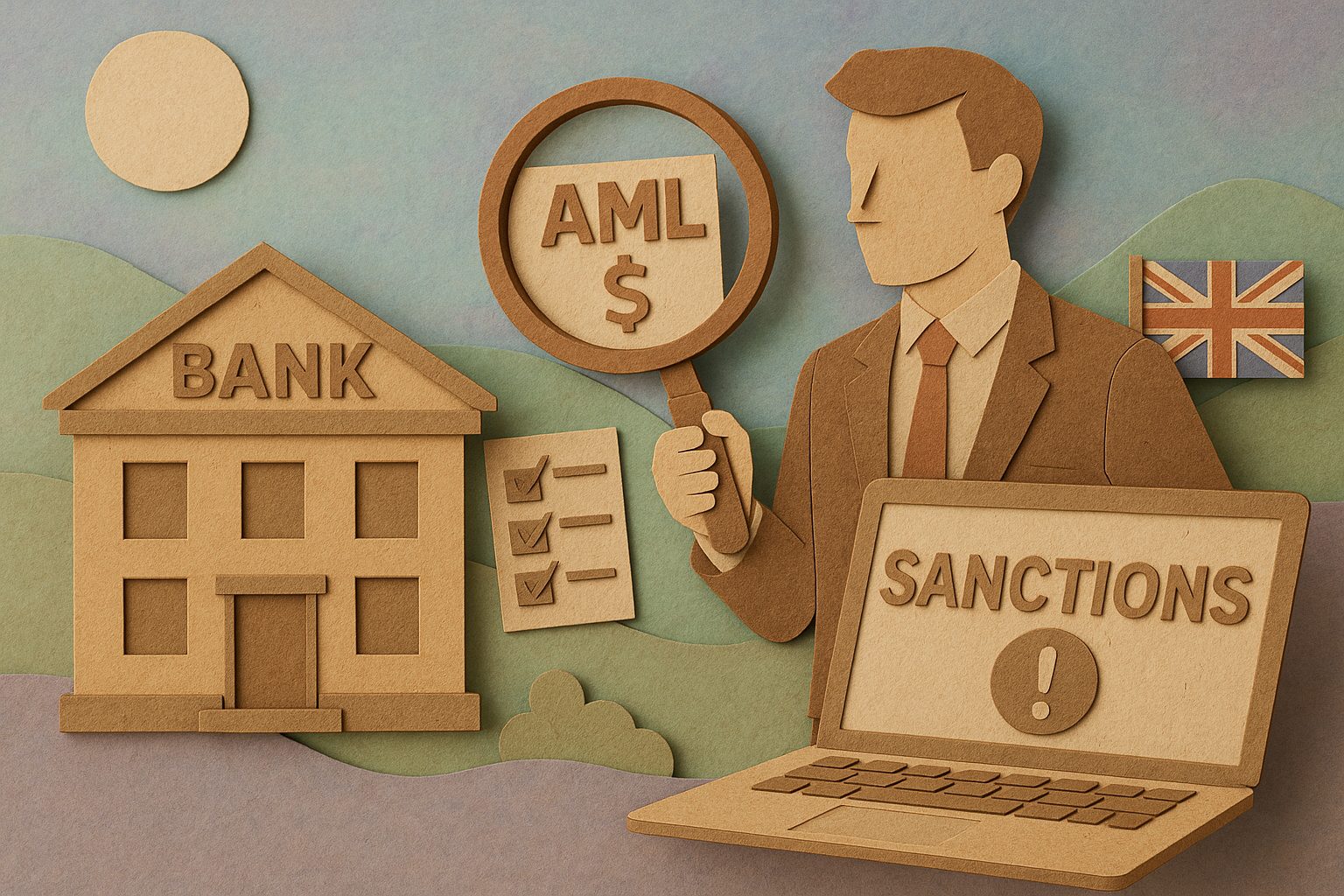
In a world where financial crimes are becoming increasingly sophisticated, protecting financial institutions from money laundering is more crucial than ever. Advanced AML (Anti-Money Laundering) solutions play a pivotal role in safeguarding these institutions by detecting and preventing illicit activities. This comprehensive guide explores effective AML solutions, the technologies that power them, and best practices for implementation.
Understanding AML Solutions
AML solutions are designed to detect, report, and prevent money laundering activities. They help financial institutions comply with regulatory requirements and protect their reputation by ensuring that they are not inadvertently facilitating criminal activities.
Key Components of AML Solutions
1. Customer Due Diligence (CDD)
- Know Your Customer (KYC): Verifying the identity of customers and understanding the nature of their activities to assess the risk they may pose.
- Enhanced Due Diligence (EDD): For higher-risk customers, a more detailed investigation is conducted to mitigate potential risks.
2. Transaction Monitoring
- Real-Time Monitoring: Continuous monitoring of transactions to detect suspicious activities as they occur.
- Pattern Recognition: Identifying unusual transaction patterns that may indicate money laundering.
3. Risk Assessment
- Risk Scoring: Assigning risk scores to customers based on various factors such as their geographic location, type of business, and transaction history.
- Ongoing Risk Management: Continuously updating risk profiles and adjusting monitoring strategies accordingly.
4. Reporting and Compliance
- Suspicious Activity Reports (SARs): Filing reports to relevant authorities when suspicious activities are detected.
- Regulatory Compliance: Ensuring adherence to AML regulations such as the Bank Secrecy Act (BSA), the USA PATRIOT Act, and international standards set by the Financial Action Task Force (FATF).
Advanced AML Technologies
1. Artificial Intelligence and Machine Learning
- Anomaly Detection: Using AI to identify anomalies in transaction data that may indicate money laundering.
- Predictive Analytics: Leveraging machine learning to predict and prevent potential money laundering activities.
2. Blockchain Technology
- Immutable Records: Using blockchain to create tamper-proof records of transactions, enhancing transparency and traceability.
- Smart Contracts: Automating compliance processes and ensuring that transactions meet regulatory requirements.
3. Big Data Analytics
- Data Integration: Combining data from multiple sources to get a comprehensive view of customer activities.
- Real-Time Analysis: Analyzing large volumes of data in real-time to detect and respond to suspicious activities swiftly.
Best Practices for Implementing AML Solutions
1. Comprehensive Risk Assessment
Conduct a thorough risk assessment to understand the specific risks your institution faces. This should include evaluating customer profiles, transaction types, and geographic locations.
2. Tailored AML Programs
Develop AML programs that are tailored to the specific needs of your institution. This should include policies, procedures, and controls designed to mitigate identified risks.
3. Continuous Training and Education
Ensure that all employees are trained on AML regulations and the specific procedures of your institution. Regular training updates should be provided to keep staff informed of new threats and regulatory changes.
4. Regular Audits and Reviews
Conduct regular audits of your AML programs to ensure they are effective and compliant with current regulations. Use the findings from these audits to continuously improve your AML strategies.
Implementing robust AML solutions is essential for protecting financial institutions from money laundering and other financial crimes. By leveraging advanced technologies and adhering to best practices, institutions can enhance their security measures, comply with regulatory requirements, and build trust with their customers. Embrace these solutions to safeguard your institution and contribute to the global fight against money laundering.