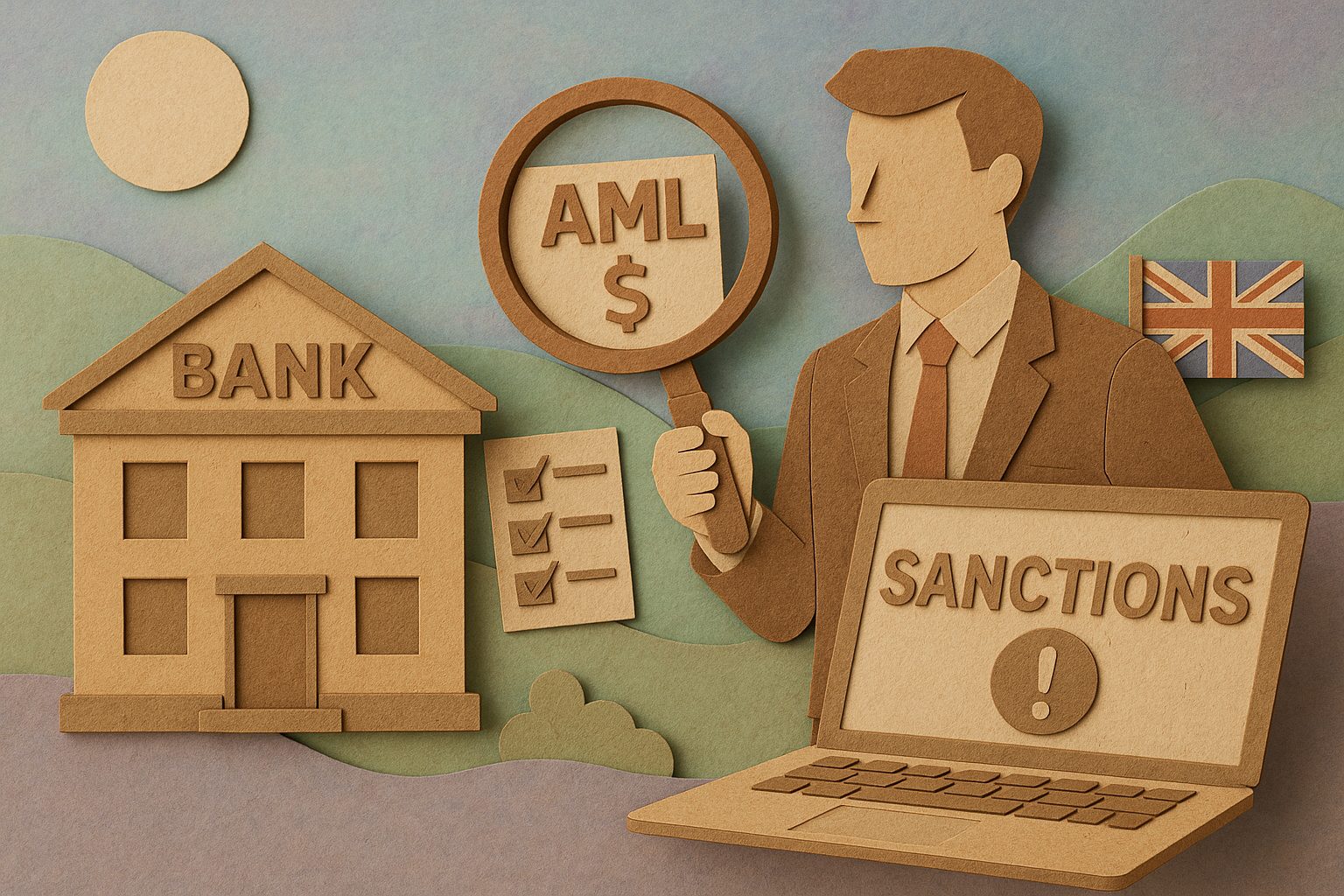
Managing anti-money laundering (AML) risks is a critical responsibility for financial institutions. Effective AML risk management strategies help institutions identify, assess, and mitigate risks associated with money laundering and financial crimes. This article explores key strategies for managing AML risks, ensuring regulatory compliance, and protecting the integrity of financial systems.
Understanding AML Risk Management
AML risk management involves identifying potential money laundering risks, assessing their impact, and implementing controls to mitigate these risks. It encompasses various activities, including customer due diligence, transaction monitoring, and reporting suspicious activities to regulatory authorities. Effective AML risk management helps financial institutions prevent financial crimes and maintain a strong compliance posture.
Key Strategies for Managing AML Risks
1. Risk-Based Approach
Description: A risk-based approach involves identifying and prioritizing AML risks based on their likelihood and impact.
How It Works:
- Risk Assessment: Conduct comprehensive risk assessments to identify high-risk areas, customers, products, and services.
- Prioritization: Allocate resources to areas with the highest risk, ensuring that efforts are focused where they are needed most.
Benefits:
- Efficient use of resources
- Enhanced focus on high-risk areas
- Improved compliance with regulatory requirements
2. Customer Due Diligence (CDD)
Description: CDD involves verifying the identity of customers and assessing their risk level.
How It Works:
- Customer Identification: Collect and verify customer information, such as name, address, and identification documents.
- Risk Profiling: Assess the risk level of each customer based on factors such as geography, industry, and transaction patterns.
Benefits:
- Accurate identification of high-risk customers
- Enhanced ability to detect suspicious activities
- Improved compliance with AML regulations
3. Enhanced Due Diligence (EDD)
Description: EDD is a more rigorous form of due diligence for high-risk customers and transactions.
How It Works:
- Additional Information: Collect more detailed information about high-risk customers, such as source of funds and business activities.
- Ongoing Monitoring: Continuously monitor high-risk customers for suspicious activities.
Benefits:
- Increased scrutiny of high-risk customers
- Early detection of potential money laundering activities
- Strengthened AML compliance
4. Transaction Monitoring
Description: Transaction monitoring involves analyzing customer transactions for suspicious patterns and activities.
How It Works:
- Automated Systems: Use automated transaction monitoring systems to flag suspicious activities based on predefined rules and thresholds.
- Manual Reviews: Conduct manual reviews of flagged transactions to determine if further investigation is needed.
Benefits:
- Timely detection of suspicious activities
- Improved ability to prevent money laundering
- Enhanced regulatory compliance
5. Reporting and Record-Keeping
Description: Financial institutions are required to report suspicious activities and maintain records of transactions.
How It Works:
- Suspicious Activity Reports (SARs): File SARs with regulatory authorities for transactions that are deemed suspicious.
- Record-Keeping: Maintain comprehensive records of transactions, customer information, and due diligence efforts.
Benefits:
- Compliance with regulatory requirements
- Improved ability to support investigations
- Enhanced transparency and accountability
6. Employee Training and Awareness
Description: Regular training and awareness programs ensure that employees are knowledgeable about AML risks and compliance requirements.
How It Works:
- Training Programs: Conduct regular training sessions on AML regulations, risk management, and detection techniques.
- Awareness Campaigns: Promote awareness of AML risks and best practices through internal communications and resources.
Benefits:
- Enhanced employee understanding of AML responsibilities
- Improved detection and reporting of suspicious activities
- Strengthened overall compliance culture
7. Technology and Automation
Description: Leveraging technology and automation enhances the efficiency and effectiveness of AML risk management.
How It Works:
- Automated Monitoring Systems: Implement advanced transaction monitoring systems that use AI and machine learning to detect suspicious activities.
- Data Analytics: Use data analytics tools to analyze large volumes of transaction data and identify patterns indicative of money laundering.
Benefits:
- Increased accuracy in detecting suspicious activities
- Reduced manual workload for compliance teams
- Enhanced ability to manage large volumes of data
8. Independent Audits and Reviews
Description: Regular independent audits and reviews ensure that AML risk management practices are effective and compliant with regulations.
How It Works:
- Internal Audits: Conduct internal audits of AML processes and controls to identify weaknesses and areas for improvement.
- External Reviews: Engage third-party experts to perform independent reviews and assessments of AML risk management practices.
Benefits:
- Objective evaluation of AML practices
- Identification of gaps